Leak Test Extubation
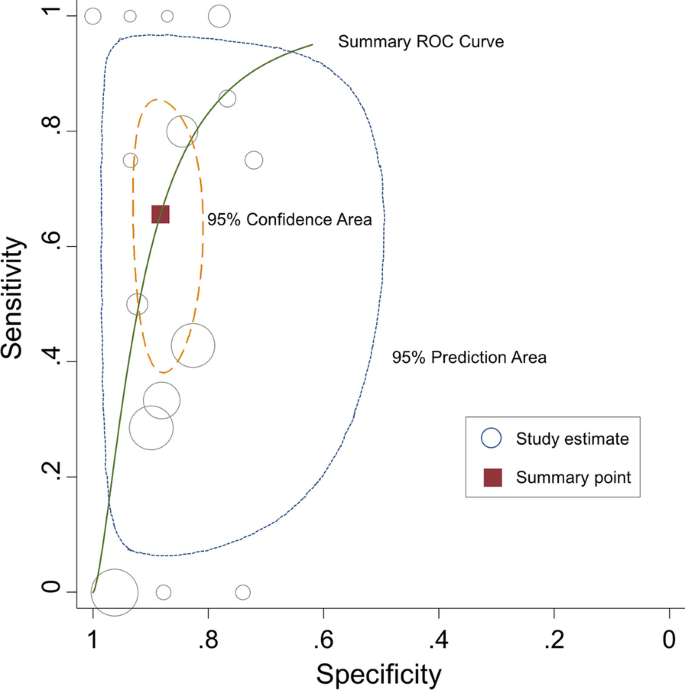
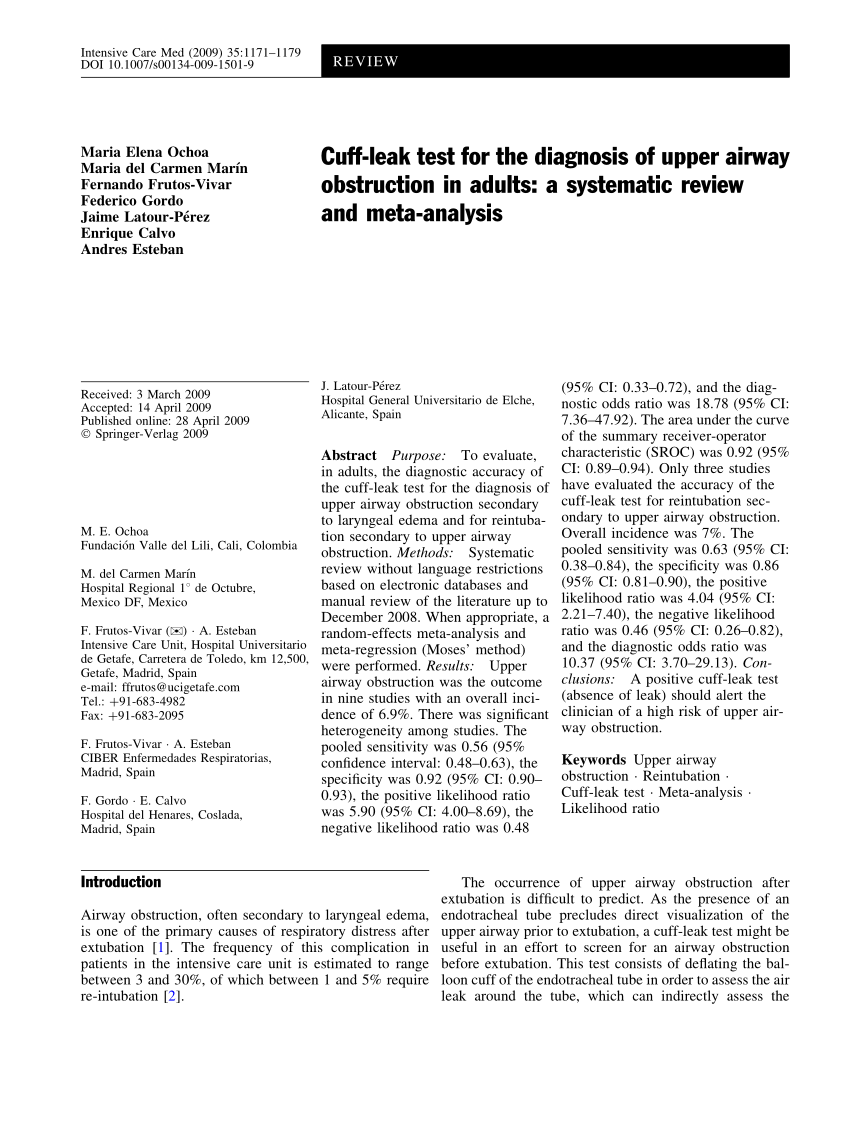
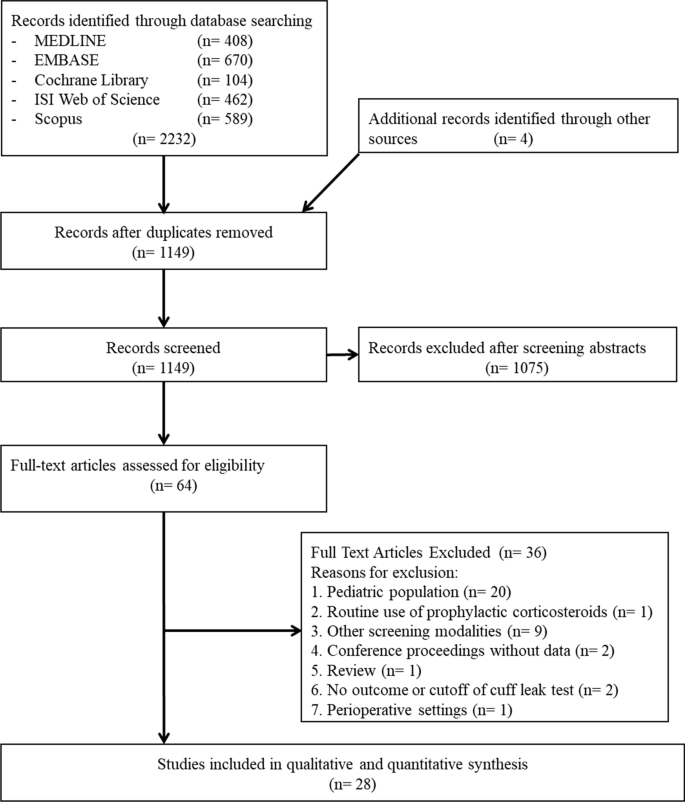
Because of its high specificity, a cuff leak test is better at ruling in than ruling out postextubation airway obstruction in adults who are mechanically ventilated, a metaanalysis has concluded The analysis of 21 studies included 3,772 patients and was presented at the 18 annual meeting of the Society of Critical Care Medicine (abstract 19).
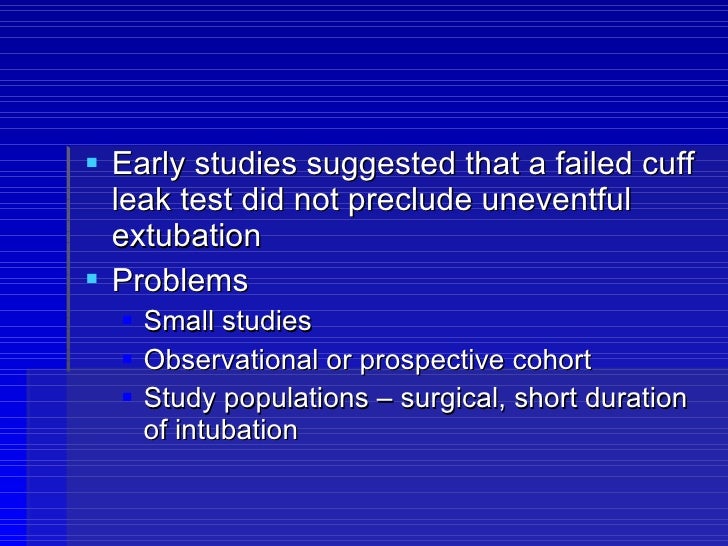
Leak test extubation. The cuff leak test may be used to predict the risk of postextubation stridor and reintubation, but its performance is Patients at low risk for reintubation may be extubated regardless of the results of the cuff leak tests Patients at higher risk of reintubation without a cuff leak may be. What cuff leak test is, its role in the weaning process, and what to do if the patient fails this cuff leak testWatch "Mechanical ventilation from a beginne. Upper airway obstruction, or oedema, is also an important cause of extubation failure, especially in those patients who successfully pass an SBT and appear to have adequate respiratory mechanics, with one study quoting airway patency as a direct cause of extubation failure in ≤38% of patients 31 In the presence of a negative cuff leak test.
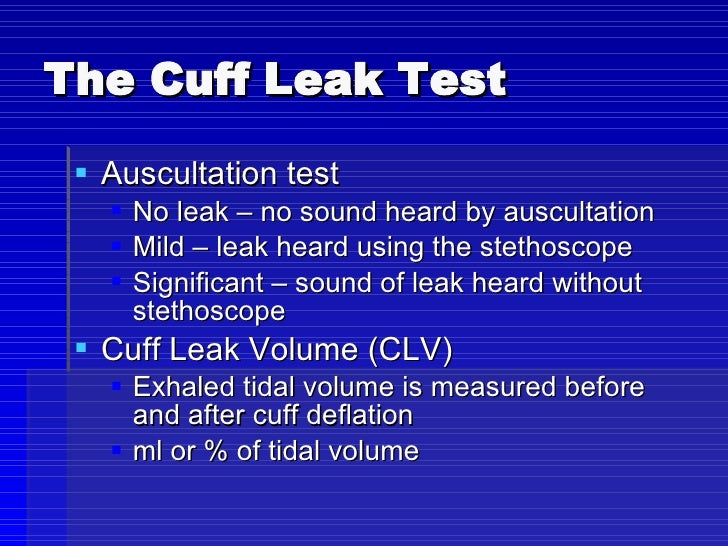
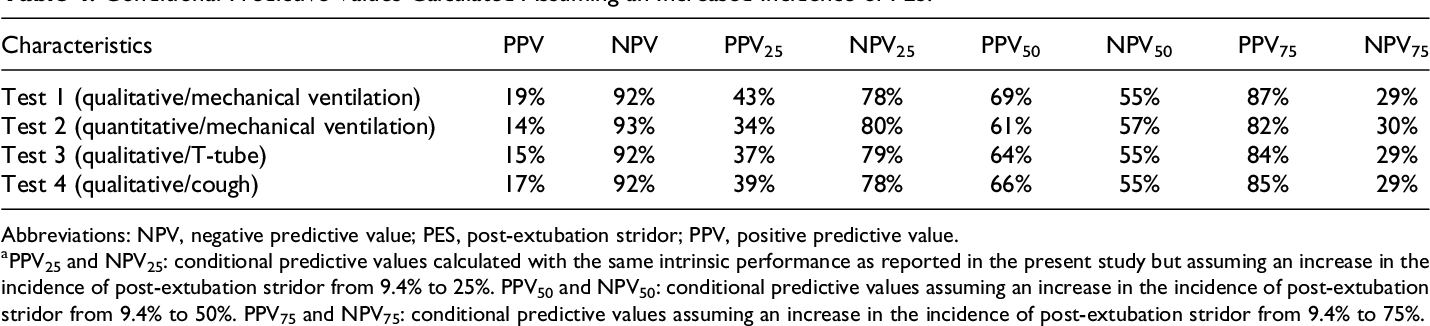
Current guidelines suggest performing a cuff leak test in mechanically ventilated adults who meet extubation criteria and are deemed high risk for postextubation stridor In the case provided, the patient was at risk for reintubation given she is a woman who had a history of a failed extubation attempt. Postextubation stridor occurs in less than 10% of unselected critically ill patients The several cuff leak tests display limited diagnostic performance for the detection of PES Given the high rate of false positives, routine cuff leak test may expose to undue prolonged mechanical ventilation. The cuffleak test is performed by deflating the endotracheal balloon followed by one or more of the following maneuvers Using the ventilator to measure the difference between inspired and expired tidal volumes;.
Because of its high specificity, a cuff leak test is better at ruling in than ruling out postextubation airway obstruction in adults who are mechanically ventilated, a metaanalysis has concluded The analysis of 21 studies included 3,772 patients and was presented at the 18 annual meeting of the Society of Critical Care Medicine (abstract 19). Postextubationstridorandupperairwayobstructionare multifactorial in etiology and can occur as a result of la ryngotracheal edema, intubation trauma, excessive cuff pressure with mucosal ulceration, and prolonged intuba tion with secondary inflammation and granuloma forma tion1Cuff leak tests (CLTs) were introduced in an attempt to predict postextubation upperairway obstruction and reducetheincidenceofextubationfailureQualitativeCLTs were performed by deflating the endotracheal tube. Cuff Leak Test in COVIDPatients (see Video simulation Performing Cuff Leak Test ) 1 Check Cuff Leak Test (CLT) as required in the UPHS Extubation Guideline This requires a provider order 2 CLT can predict the risk of postextubation stridor (PES) due to upper airway obstruction 3 A failed CLT is defined as a leak volume of.
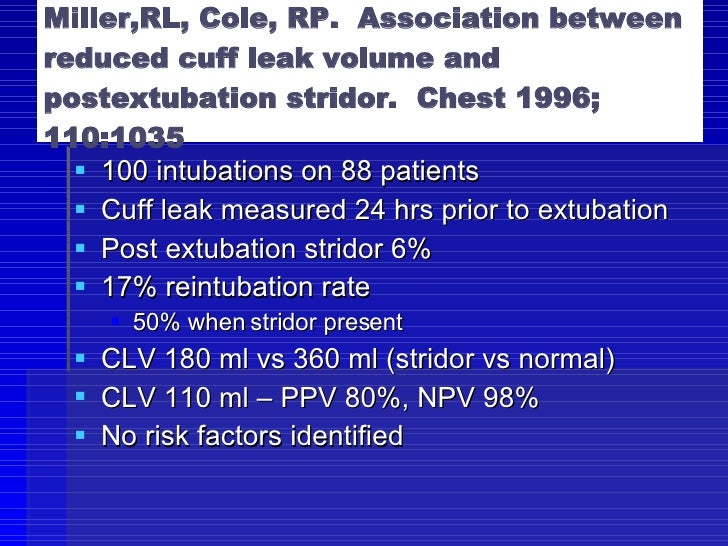
The cuffleak test is used to predict the occurrence of postextubation stridor It should be performed if any of the risks mentioned above are identified Some providers do the cuffleak test regularly, but there is insufficient evidence to suggest its regular use The two methods of performing the cuffleak test are. Extubation Extubation usuallv occurred between 1 and h from the final CP AP trial The same ~uff leak test was repeated within 24 h of planned extubation Stridor was defined as the presence of an audible highpitched inspiratory wheeze requiring medical inter vention and usually was associated with respiratory distress. The cuff leak test was proposed as a simple tool to detect laryngeal edema Adderley and Mullins 18 first used this test to predict successful extubation in children with croup In this study successful extubation was likely if an air leak could be heard when the baby coughed during positive pressure ventilation with a plateau pressure of.
3 We suggest performing a cuff leak test in mechanically ventilated adults who meet extubation criteria and are deemed high risk for postextubation stridor (conditional recommendation, very low certainty in the evidence) 4 For adults who have failed a cuff leak test but are otherwise ready for extubation, we suggest administering. The cuff leak test is a useful tool in the decisionmaking about extubation, but the low sensitivity suggests that a negative test cannot completely exclude postextubation airway obstruction and that patients still need to be closely monitored postextubation. Conclusion Cuffleak test is a simple, noninvasive tool, which may be useful to exclude, in patients with prolonged intubations, the presence of laryngeal injuries needing medical treatment and close monitoring This occurs independently of postextubation stridor Back to Top Article Outline.
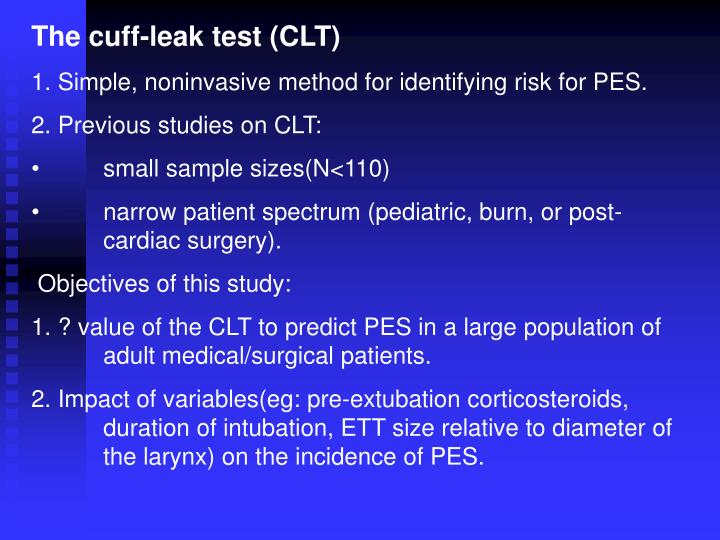
Postextubation stridor and upperairway obstruction are multifactorial in etiology and can occur as a result of laryngotracheal edema, intubation trauma, excessive cuff pressure with mucosal ulceration, and prolonged intubation with secondary inflammation and granuloma formation 1 Cuff leak tests (CLTs) were introduced in an attempt to predict postextubation upperairway obstruction and. Background and aims Evidence for the predictive value of the cuff leak test (CLT) for postextubation stridor (PES) is conflicting We evaluated the association and accuracy of CLT alone or combined with other laryngeal parameters with PES Methods Fiftyone mechanically ventilated adult patients in a medicalsurgical intensive care unit were tested prior to extubation using;. How to cite this article Patel AB, Ani C, Feeney C Cuff leak test and laryngeal survey for predicting post ‑extubation stridor Indian J Anaesth Indian J Anaesth 15;5996‑102.
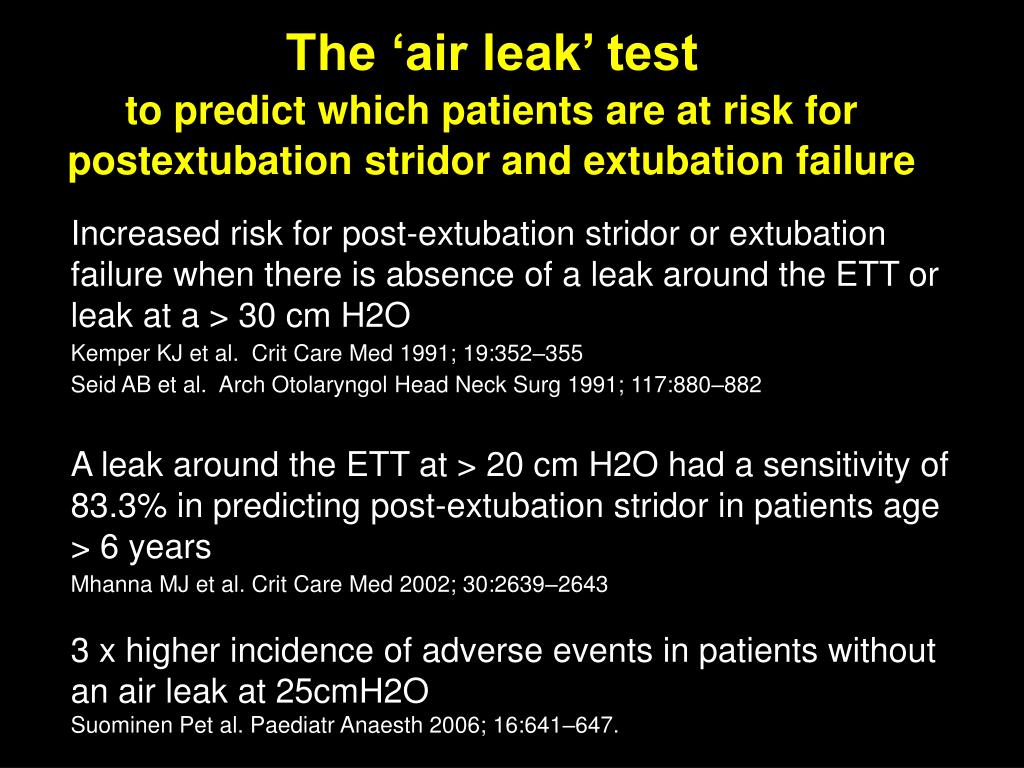
Cuff leak test was measured when the patient presumed ready for extubation permitting an indirect evaluation of upper airway patency Laryngeal US was performed (using a Siemens U/S, model NoGM6705E00, probe liner {7/5 MHz}) for the visualization of the vocal cords, measuring air column width during balloon cuff inflation and deflation. If there is a difference in the measured volumes, then air is “leaking” around the endotracheal tube, implying minimal airway edema. The airleak test was >30 cm H2O before extubation in 47% (28 of 59) of patients, yet 23 patients were extubated successfully (negative predictive value, 18%) An airway leak test >30 cm H2O did not increase the likelihood of postextubation reintubation, with a likelihood ratio of 12.
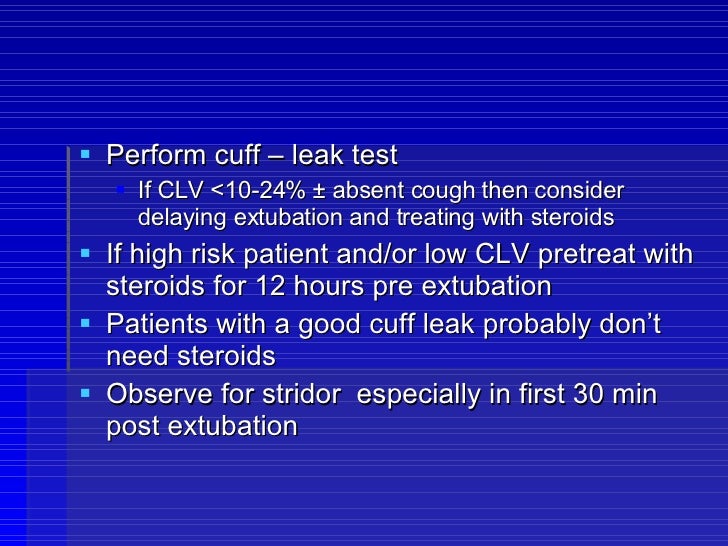
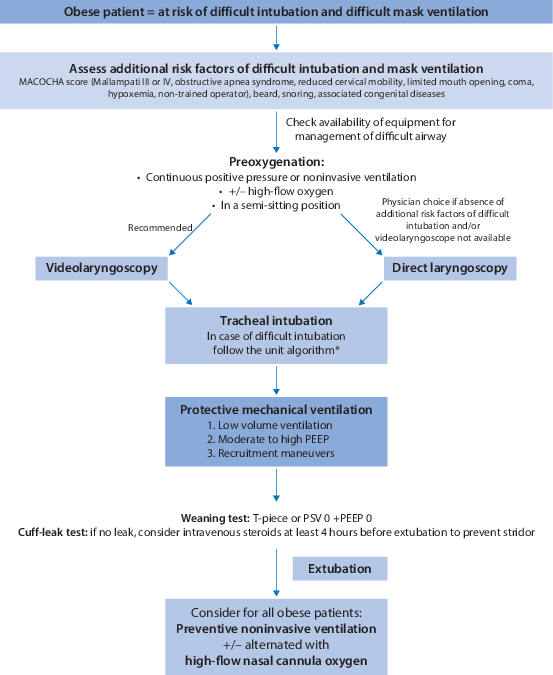
"leak" test the The reliability of "leak" as a criterion for elective extubation of children with croup treated with nasotracheal intubation was aTu&ed during the three month "croup epidemic" in Ontario of September 1 t9 to November 30, t9 Twentyeight pa. The cuffleak test is extremely useful because methylprednisolone therapy at least 12 hours before extubation might reduce the incidence of stridor (, 21) and the rate of reintubation (21) due to upper airway obstruction The risk/benefit ratio of steroids in patients with negative cuffleak test results seems to favor steroid administration. CONCLUSION The cuff leak test at the time of extubation can be used to assess for upper airway edema Patients with hoarseness were more likely to have a cuff leak.
"leak" test the The reliability of "leak" as a criterion for elective extubation of children with croup treated with nasotracheal intubation was aTu&ed during the three month "croup epidemic" in Ontario of September 1 t9 to November 30, t9 Twentyeight pa. Absence of the air leak did not predict extubation failure (negative predictive value 27%, 95% confidence interval 660) The air leak test was >/=30 cm H2O before extubation in 47% (28 of 59) of patients yet 23 patients extubated successfully (negative predictive value 18%). "leak" test the The reliability of "leak" as a criterion for elective extubation of children with croup treated with nasotracheal intubation was aTu&ed during the three month "croup epidemic" in Ontario of September 1 t9 to November 30, t9 Twentyeight pa.
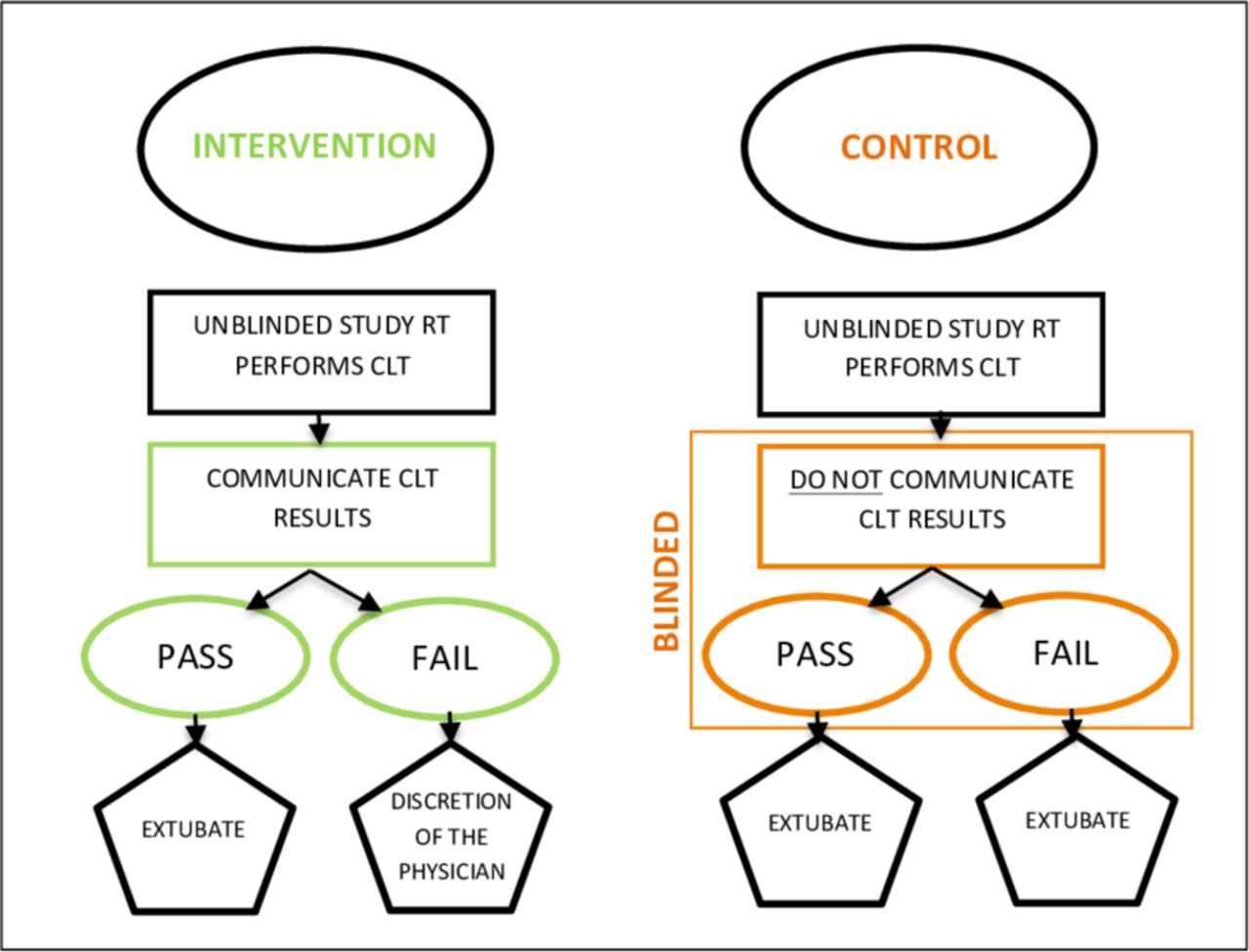
The cuffleak test is used to predict the occurrence of postextubation stridor It should be performed if any of the risks mentioned above are identified Some providers do the cuffleak test regularly, but there is insufficient evidence to suggest its regular use The two methods of performing the cuffleak test are. Therefore, the Respiratory Therapist (RT) will proceed with extubation without delay or administering systemic steroid, regardless to the CLT results. The cuffleak test (CLT) was performed prospectively in this study using the volume technique whereby the difference between inspired and expired tidal volume before and after cuff deflation is used to detect the presence of laryngeal edema and the likelihood of developing postextubation stridor 1 The rationale for performing the CLT.
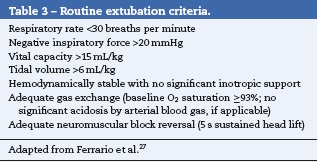
Gag reflex The Yankeur sucker is used to probe the posterior pharynx, on both sides A gag reaction should result from this This collectively tests CN X and IX Cough reflex. Cuff leak test preextubation Prior to extubation, in adults who have met extubation criteria AND are deemed high risk for postextubation stridor (PES) (eg, traumatic intubation, intubation >6 days, large endotracheal tube, female, reintubation after an unplanned extubation), a cuff leak test should be performed. When the patient has passed their SBT and either passed their extubation screen (ES), or is anticipated to do so within 24 hours, perform cuff leak test (CLT) and document result with leak volume in the Vent doc flowsheet A provider order to check CLT is required in EMR prior to test See procedure details below (section on CLT).
Cuff leak test protocol Cuff leak test • When assessing extubation readiness, a cuff leak test should be performed in highrisk individuals (defined below) • Failed cuff leak test is defined as cuff leak volume. The leak test, 69,70,71,72 whereby air is heard to leak around the ETT at low pressure, usually. Remember to consider other factors difficulty of intubation;.
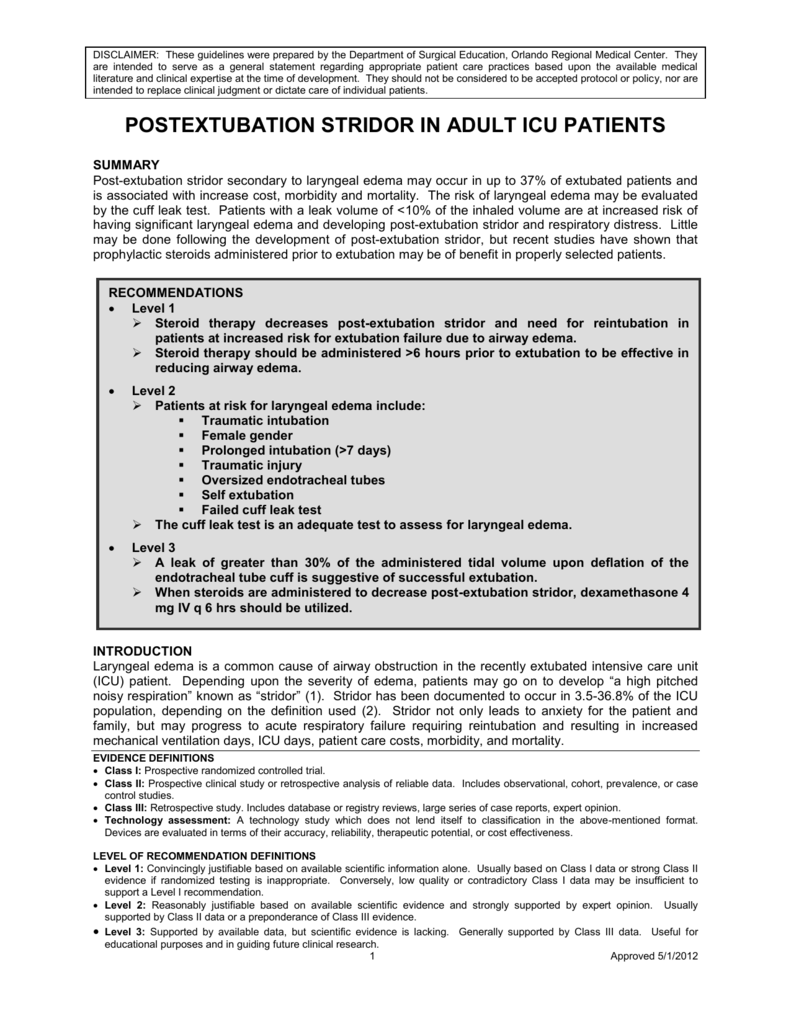
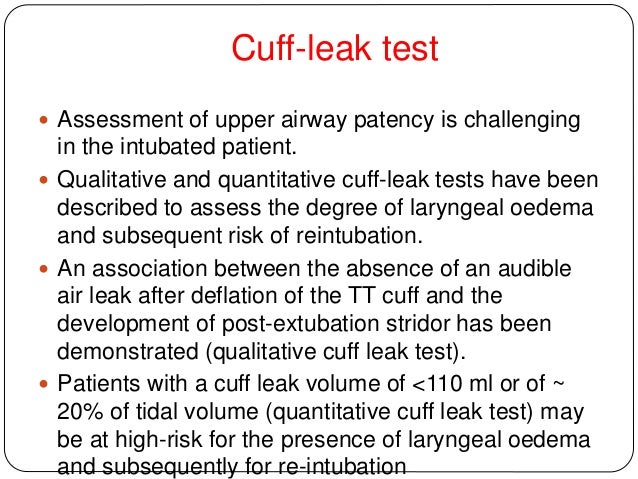
Self extubation Failed cuff leak test The cuff leak test is an adequate test to assess for laryngeal edema Level 3 A leak of greater than 30% of the administered tidal volume upon deflation of the endotracheal tube cuff is suggestive of successful extubation. The ‘cuff‐leak’ test for extubation The ‘cuff‐leak’ test for extubation Fisher, M McD;. The test is performed by the respiratory therapists and involves measuring expired Vt before and after the ETT cuff has been deflated and listening for an audible leak A positive test result is defined as a CL greater than 10 per cent of Vt or, when volumes are not available, as audible air expired.
R 61—A cuff leak test should probably be performed before extubation to predict the occurrence of laryngeal oedema (Grade 2 ) Strong agreement R 62—A cuff leak test should be performed before extubation in ICU patients with at least one risk factor for inspiratory stridor to reduce extubation failure related to laryngeal oedema. In the control arm of this trial;. Objective The cuffleak test has been proposed as a simple tool to clinically predict stridor or respiratory distress secondary to laryngeal edema following extubation However, the true incidence of laryngeal edema in patients on longterm mechanical ventilation is uncertain The relationship between upper airway obstruction (detected by video bronchoscopy) and the cuffleak test value for.
The cuffleak test is extremely useful because methylprednisolone therapy at least 12 hours before extubation might reduce the incidence of stridor (, 21) and the rate of reintubation due to upper airway obstruction The risk/benefit ratio of steroids in patients with negative cuffleak test results seems to favor steroid administration. 5% patients experience severe upper airway obstruction following extubation;. Introduction Endotracheal intubation and invasive mechanical ventilation are lifesaving interventions that are commonly performed in the intensive care unit (ICU) Laryngeal oedema is a known complication of intubation that may cause airway obstruction in a patient on extubation To date, the only test available to predict this complication is the cuff leak test (CLT);.
The mouth, airway, and swallowing apparatus are all important parts of this assessment for extubation Gag reflex;. A considerable number of studies on the cuff‐leak test have been published, but their results remain controversial (79), leaving physicians to make difficult decisions regarding extubation The GRADE (Grades of Recommendation, Assessment, Development, and Evaluation) approach provides guidance on grading the quality of underlying evidence. A total of 5 patients admitted through the ICU received the cuffleak test during the study period Four hundred and fifty patients were excluded because of selfextubation (n = 9), deterioration (n = 14), or CLV > 100 mL (n = 427) All of the 138 patients with a CLV less than 110 mL met the inclusion criteria.
Cuff Leak Testing Proceed Post Extubation Care a) Drape (surgical or clear plastic), towel or plastic bag (for ETT), O2 device b) Lidocaine via ETT, low dose opioid, dexmedetomidine, remifentanil c) Recommend anesthesia team member present for all COVID extubations d) Sleeve bag/towel over ETT as it is removed, seal closed over entire ETT. The cuff leak test is used to test laryngeal patency The average difference between inspiratory and expiratory volume after cuff deflation, recorded for six consecutive breaths, is determined A volume. Cuff Leak Test Suction endotracheal and oral secretions and set the ventilator in the assist control mode with the patient receiving With the cuff inflated, record displayed inspiratory and expiratory tidal volumes to see whether these are similar Deflate the cuff Directly record the expiratory.
Background and aims Evidence for the predictive value of the cuff leak test (CLT) for postextubation stridor (PES) is conflicting We evaluated the association and accuracy of CLT alone or combined with other laryngeal parameters with PES Methods Fiftyone mechanically ventilated adult patients in a medicalsurgical intensive care unit were tested prior to extubation using;. About Press Copyright Contact us Creators Advertise Developers Terms Privacy Policy & Safety How YouTube works Test new features Press Copyright Contact us Creators. Extubation Extubation usuallv occurred between 1 and h from the final CP AP trial The same ~uff leak test was repeated within 24 h of planned extubation Stridor was defined as the presence of an audible highpitched inspiratory wheeze requiring medical inter vention and usually was associated with respiratory distress.
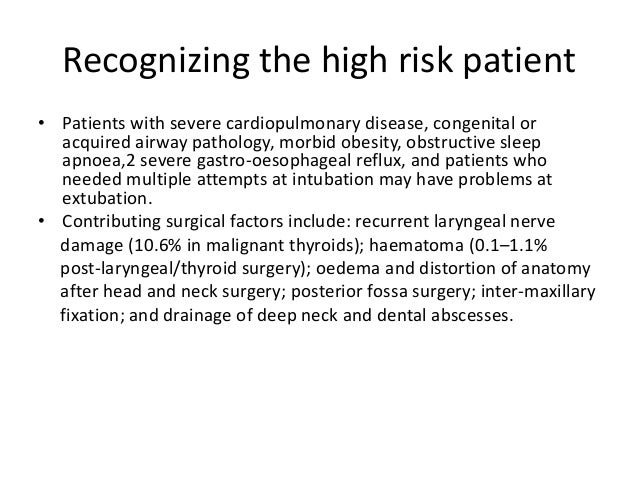
The cuffleak test was widely used for the prediction of postextubation stridor, but controversial results limit its clinical application The current study used realtime ultrasonography to evaluate the airleak and hypothesised that the aircolumn width, measured by ultrasonography, may be correlated to the development of postextubation stridor From June 1, 01 to March 1, 02, a total. Consider a cuff leak test to check for laryngeal oedema Laryngeal edema reported in as many as 40% of prolonged intubations 5% patients experience severe upper airway obstruction following extubation can be detected by ‘cuff leak’ test. The cuff leak, by its presence, is a reasonable predictor that postextubation stridor will not occur Its absence, however, is not a very strong predictor of stridor One should ask about the quantity and character of secretions While at the face, one should ask whether the NGT has been suctioned dry, and how long the feeds have been stopped for.
CONCLUSION The cuff leak test at the time of extubation can be used to assess for upper airway edema Patients with hoarseness were more likely to have a cuff leak. The treating physicians and healthcare workers will be blinded to the results of the Cuff Leak Test (CLT);. Larynx croup infections croup intubation tracheal leak test extubation Résumé La fiabilité du test ďapparition ďune fuite ďair comme critère ďextubation des enfants intubés par vote nasotrachéals pour croup (laryngotrachéite) a été étudiée du ler septembre 19 au 30 novembre 19 lors ďune épidémie de croup en Ontario.
Consider a cuff leak test to check for laryngeal oedema Laryngeal edema reported in as many as 40% of prolonged intubations;. The leak, in percent, was defined as the difference between expired tidal volume measured just before extubation, in volumecontrolled mode, with the cuff inflated and then deflated A gas leak around the endotracheal tube greater than 155% can be used as a screening test to limit the risk of reintubation for laryngeal edema. See Cuff Leak Test;.
Can be detected by ‘cuff leak’ test;. Leak test controversial A Pleak < 12 mm Hg suggests a patent airway However, the work of breathing is less on PSV and with no support than it is 1 hour extubation Crit Care Med 28 1341, 00, so Marino recommends not using minimal settings and just letting the patient breathe through the tubing. Raper, R F AND R F RAPER Summary The â cuffleakâ test, which involves demonstrating a leak around a tracheal tube with the cuff deflated, has been advocated to determine the safety of extubation in patients with upper airway obstruction.
Qualitative CLTs were performed by deflating the endotracheal tube (ETT) cuff, blocking the ETT opening, and listening for an audible leak around the ETT while patients were spontaneously breathing 2 In an effort to increase the accuracy of CLTs in detecting postextubation stridor, methods of quantifying a cuff leak were introduced. The ‘cuff‐leak’ test, which involves demonstrating a leak around a tracheal tube with the cuff deflated, has been advocated to determine the safety of extubation in patients with upper airway obstruction In 62 such patients we were able safely to extubate all patients with a cuff leak.
Post Extubation Stridor
Post Extubation Stridor
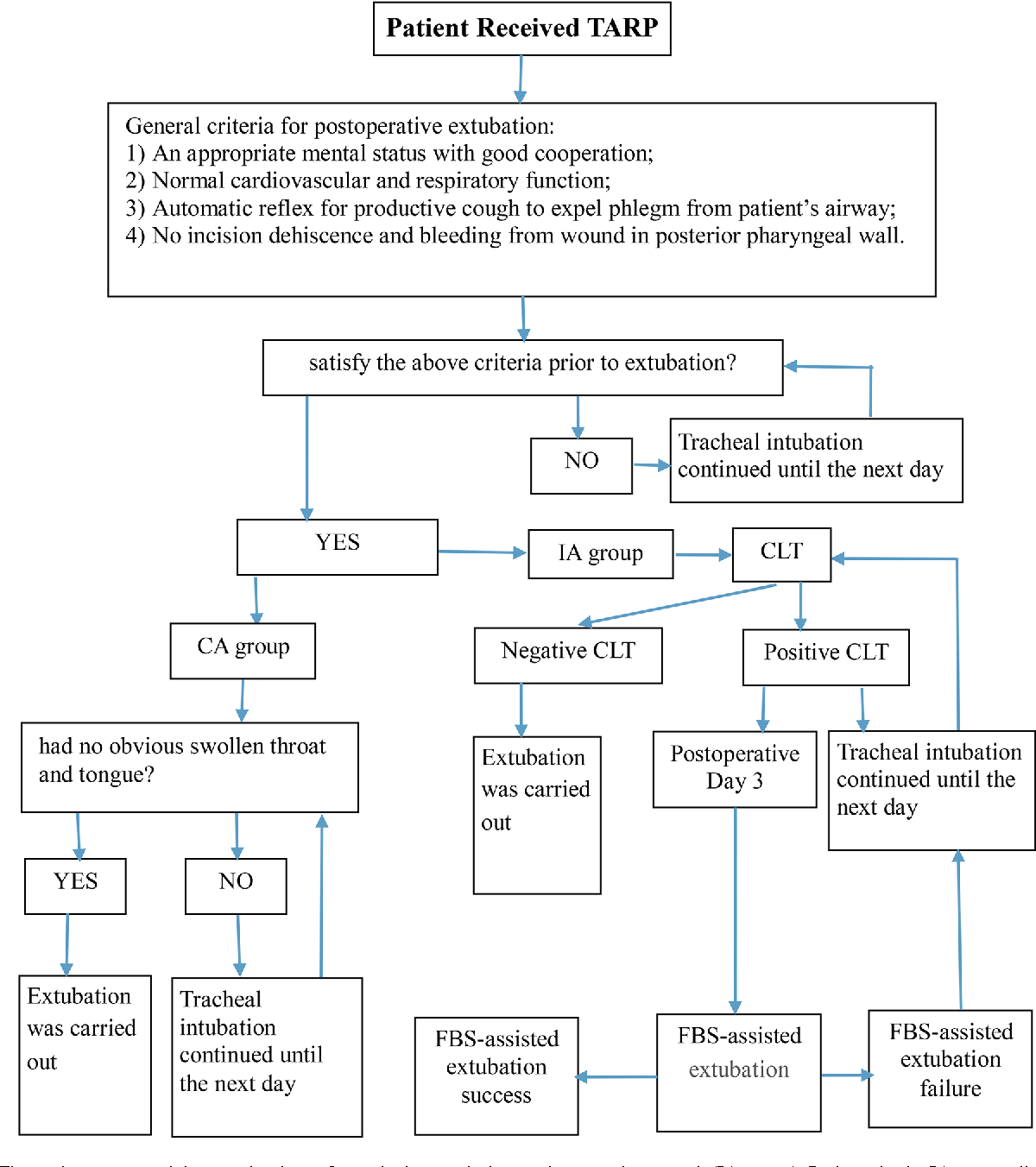
Figure 1 From Cuff Leak Test Combined With Interventional Bronchoscopy Benefits Early Extubation For Patients Who Received Tarp Surgery Semantic Scholar
Leak Test Extubation のギャラリー

Comparison Of High And Low Dose Dexamethasone For Preventing Postextubation Airway Obstruction In Adults A Prospective Randomized Double Blind Placebo Controlled Study Sciencedirect

Extubation Algorithm After Thyroidectomy Surgery Isakanyakumari
Post Extubation Stridor

Pdf The Endotracheal Tube Air Leak Test Does Not Predict Extubation Outcome In Critically Ill Pediatric Patients
Cuff Leak Test For The Diagnosis Of Post Extubation Stridor A Multicenter Evaluation Study Semantic Scholar

Pulmcrit Liberating The Patient With No Cuff Leak

Comparison Of High And Low Dose Dexamethasone For Preventing Postextubation Airway Obstruction In Adults A Prospective Randomized Double Blind Placebo Controlled Study Sciencedirect

Pdf Cuff Leak Tests At The Time Of Extubation Correlate With Voice Quality Assessment
Www Med Upenn Edu Uphscovid19education Assets User Content Documents Curricula Uphs Covid Vent Liberation Extubation And Cuff Leak Test Guideline 10 22 Pdf
2
Author Kassem Mostafa Aboelyazeed Title Laryngeal Ultrasound Versus Cuff Leak Test In Prediction Of Post Extubation Laryngeal Edema
2

Mechanical Ventilation Weaning And Extubation Stawicki Sp Int J Acad Med

Management Of The Child S Airway Under Anaesthesia The French Guidelines Sciencedirect
Post Extubation Stridor Surgicalcriticalcare Net
Ventilatory Weaning Liberation And Extubation Crashing Patient

Positive Cuff Leak Test In A Patient With Post Extubation Stridor After Total Thyroidectomy How To Deal With It Semantic Scholar

Airway Management Extubation

Aidaa 16 Guidelines For The Management Of Anticipated Aidaa In Pdf Guidelines Extubation Citation Aidaa Aidaa 16 Guidelines For The Management Of Anticipated Difficult Extubation Pdf Document

Cuff Leak Test For Predicting Postextubation Airway Complications A Systematic Review Sensitivity And Specificity Clinical Trial

All India Difficult Airway Association 16 Guidelines For The Management Of Anticipated Difficult Extubation
A Comprehensive Protocol For Ventilator Weaning And Extubation A Prospective Observational Study Journal Of Intensive Care Full Text
Extubacion Del Paciente Perioperatorio Con Una Via Aerea Dificil

Intra Individual Variation Of The Cuff Leak Test As A Predictor Of Post Extubation Stridor Respiratory Care

Low Mechanical Ventilation Times And Reintubation Rates Associated With A Specific Weaning Protocol In An Intensive Care Unit Setting A Retrospective Study
Journal Chestnet Org Article S0012 3692 15 7 Pdf

ว นน หนอนน อยจะขอพ ดเร อง การ Off หนอนน อยอ านเปเปอร Facebook

Cuff Leak Test Anaesthesia News
Q Tbn And9gcs4fbhr7em3kfjp81o1ss4ocnjv95cq4d73cjkgj Mwh0 Axgm3 Usqp Cau

The Cuff Leak Test Does It Leak Any Information Respiratory Care
Experts Guidelines Of Intubation And Extubation Of The Icu Patient Of French Society Of Anaesthesia And Intensive Care Medicine Sfar And French Speaking Intensive Care Society Srlf Annals Of Intensive Care
Plos One Differences In Clinical Outcomes According To Weaning Classifications In Medical Intensive Care Units

Weaning The Patient From The Mechanical Ventilator A Review Article Archives Of Critical Care Medicine Full Text

Protocolized Post Extubation Respiratory Support To Prevent Reintubation Protocol And Statistical Analysis Plan For A Clinical Trial Bmj Open
Performance Of The Cuff Leak Test In Adults In Predicting Post Extubation Airway Complications A Systematic Review And Meta Analysis Critical Care Full Text
Bram Rochwerg Pleasure To Be Involved In The Comic Research Program Are Cuff Leak Tests Important In Predicting Extubation Success Excellent Work Led Kimlewis And Under The Supervision Of Alhazzaniw
Post Extubation Stridor

Ppt Extubation In Or Shaji Sainudeen Rashid Hospital Dubai Powerpoint Presentation Id
Journals Sagepub Com Doi Pdf 10 1177

Cuff Leak Test And Laryngeal Survey For Predicting Post Extubation Stridor Patel Ab Ani C Feeney C Indian J Anaesth
Faut Il Continuer A Faire Un Test De Fuite Pour Le Depistage Du Stridor Post Extubation Srlf

Effects Of Steroids On Reintubation And Post Extubation Stridor In Adults Meta Analysis Of Randomised Controlled Trials Topic Of Research Paper In Health Sciences Download Scholarly Article Pdf And Read For Free On
Ppt Weaning From Mechanical Ventilation Powerpoint Presentation Free Download Id

Cuff Leak Volumes For Critically Ill Patients Receiving Injections Of Download Scientific Diagram

Positive Cuff Leak Test In A Patient With Post Extubation Stridor After Total Thyroidectomy How To Deal With It Semantic Scholar

Extubation And Airway Exchange Critical Care Airway Management
Ppt 報告人 邱翊洲 Powerpoint Presentation Free Download Id 41

Postextubation Stridor In Adult Icu Patients Pages 1 5 Flip Pdf Download Fliphtml5
2
Mechanical Ventilation In Obese Icu Patients From Intubation To Extubation Springerlink

Bedside Tip How To Manage Cuff Pressure In Children Intubated With Cuffed Tubes
Pdf Cuff Leak Test For The Diagnosis Of Upper Airway Obstruction In Adults A Systematic Review And Meta Analysis

Pulmcrit Liberating The Patient With No Cuff Leak
Performance Of The Cuff Leak Test In Adults In Predicting Post Extubation Airway Complications A Systematic Review And Meta Analysis Critical Care Full Text
Cuff Leak Test Drone Fest
2
1

Ventilatory Support After Extubation In Critically Ill Patients The Lancet Respiratory Medicine

Cuff Leak Test And Laryngeal Survey For Predicting Post Extubation Stridor Patel Ab Ani C Feeney C Indian J Anaesth
Www Med Upenn Edu Uphscovid19education Assets User Content Documents Treatment Guidelines Critical Care Uphs Covid19 Ventilator Liberation And Extubation Guideline Pdf
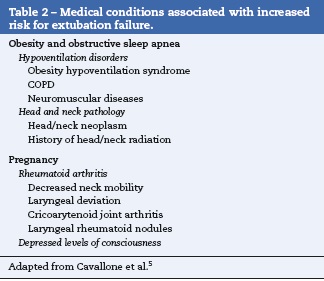
Extubacion Del Paciente Perioperatorio Con Una Via Aerea Dificil

Additional File 2 Of Performance Of The Cuff Leak Test In Adults In Predicting Post Extubation Airway Complications A Systematic Review And Meta Analysis
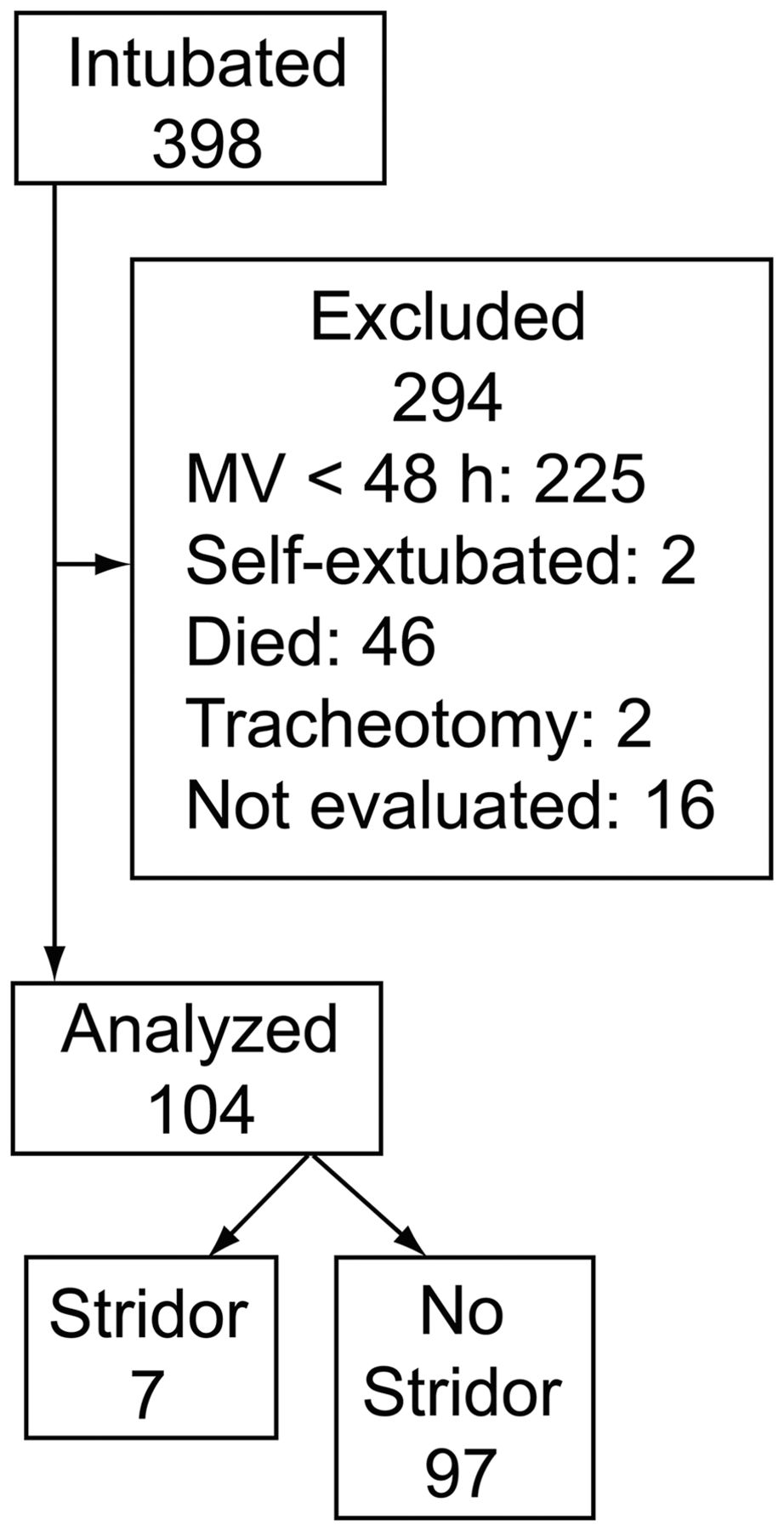
Intra Individual Variation Of The Cuff Leak Test As A Predictor Of Post Extubation Stridor Respiratory Care

Cuff Leak Test And Laryngeal Survey For Predicting Post Extubation Stridor Topic Of Research Paper In Clinical Medicine Download Scholarly Article Pdf And Read For Free On Cyberleninka Open Science Hub
Author Eltaher Sara Mohamed Title The Role Of Laryngeal Ultrasound In Comparison With Cuff Leak Test In Prediction Of Post Extubation Stridor
Http Www Shanahq Com Main Sites Default Files H N extubation algorithm Pdf
Q Tbn And9gcrl4jvm3u9zhdzmr9xlk15plajbizhz J5in8qy3uftcgjw9ndk Usqp Cau
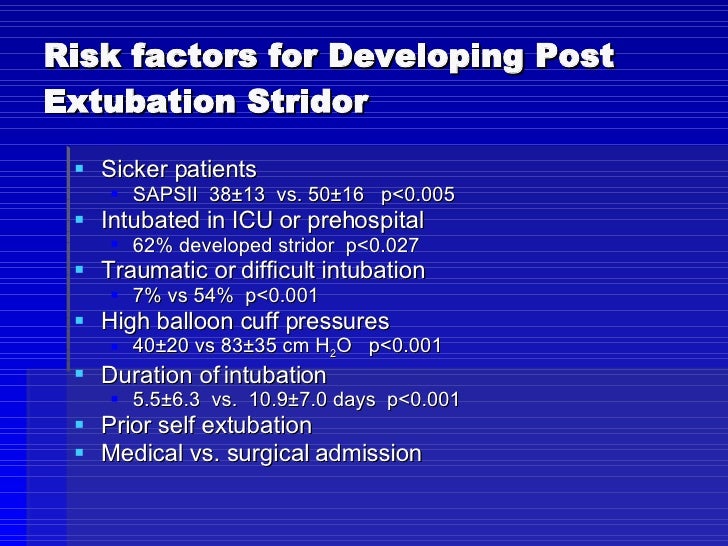
Post Extubation Stridor
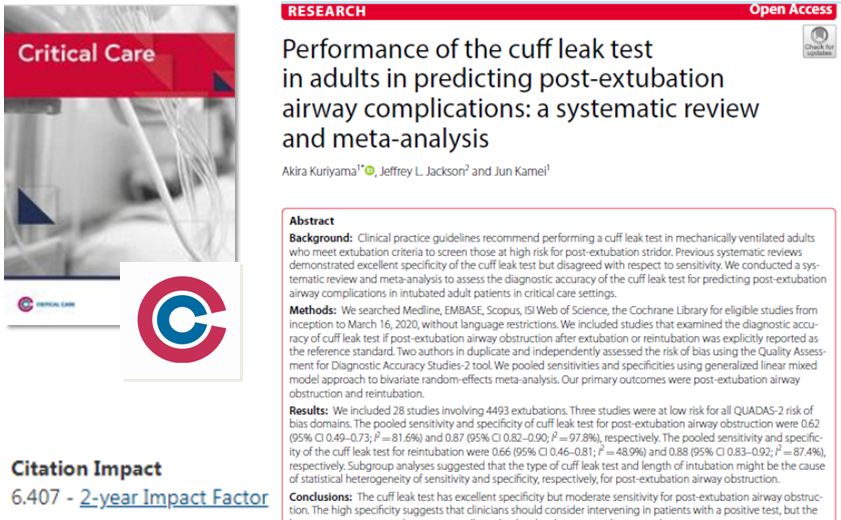
Critical Care Critcare Openaccess Predicting Post Extubation Airway Complications The Cuff Leak Test T Co S1jhylduws Foamed Foamcc Bmc Icu Intubation Obstruction Jlvincen Isicem T Co Z7scsyyegh

Evidence Based Practices For Acute Respiratory Failure And Acute Respiratory Distress Syndrome Chest
Cyberleninka Org Article N Pdf

Cuff Leak Test And Laryngeal Survey For Predicting Post Extubation Stridor Patel Ab Ani C Feeney C Indian J Anaesth

Tracheal Extubation Holistic Doctor Online

Predictive Value Of The Cuff Leak Test And Laryngeal Ultrasonography Download Table
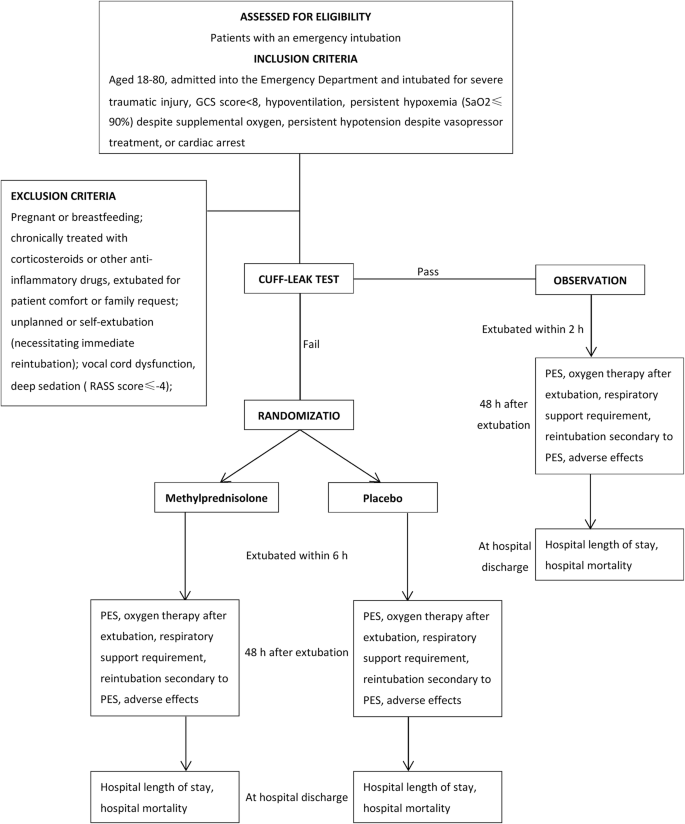
Efficacy Of Prophylactic Methylprednisolone On Reducing The Risk Of Post Extubation Stridor In Patients After An Emergency Intubation Study Protocol For A Randomized Controlled Trial Trials Full Text

Postoperative Management Of The Difficult Airway Bja Education

Post Extubation Emergencies Ppt Video Online Download
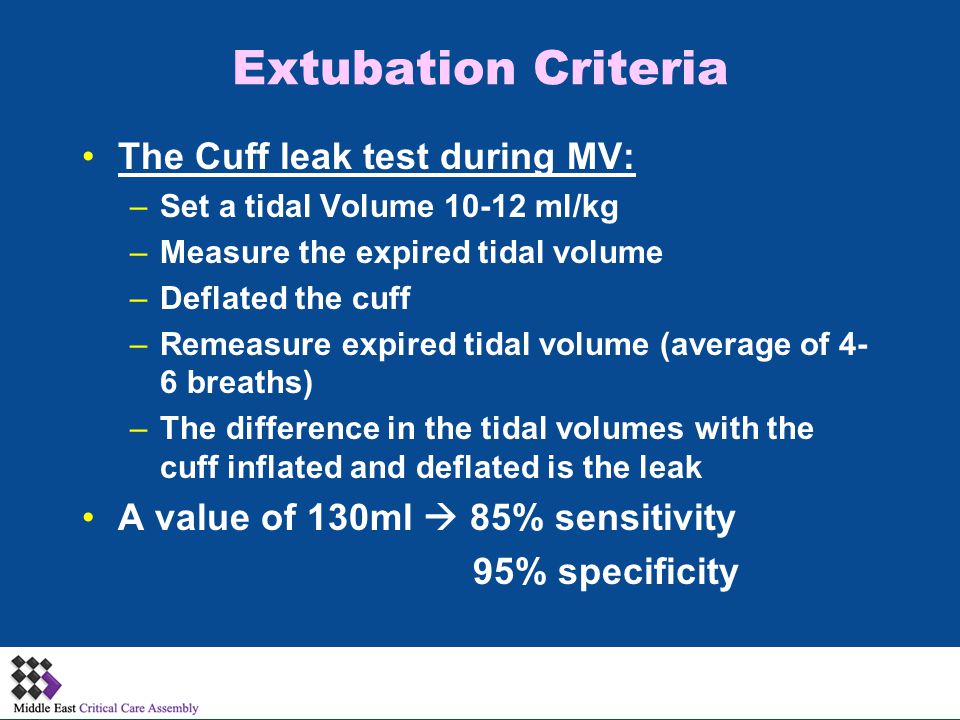
Weaning Modes And Protocol Ppt Video Online Download
Revistas Rcaap Pt Anestesiologia Article Download

Cuff Leak Test For The Diagnosis Of Post Extubation Stridor A Multicenter Evaluation Study Semantic Scholar
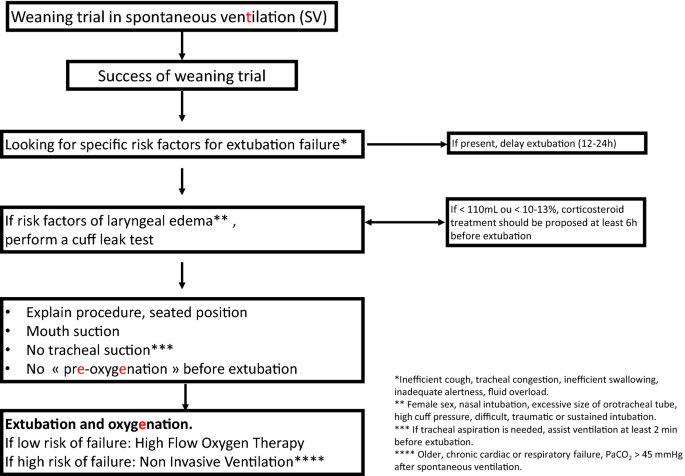
Experts Guidelines Of Intubation And Extubation Of The Icu Patient Of French Society Of Anaesthesia And Intensive Care Medicine Sfar And French Speaking Intensive Care Society Srlf Annals Of Intensive Care

Extubation 총정리 Making Extubation Safer 안전한 Extubation을 위해 알아야 할 것들 네이버 블로그

View Image

Tracheal Extubation Of The Adult Intensive Care Patient With A Predicted Difficult Airway A Narrative Review Sturgess 17 Anaesthesia Wiley Online Library

Pulmcrit Liberating The Patient With No Cuff Leak
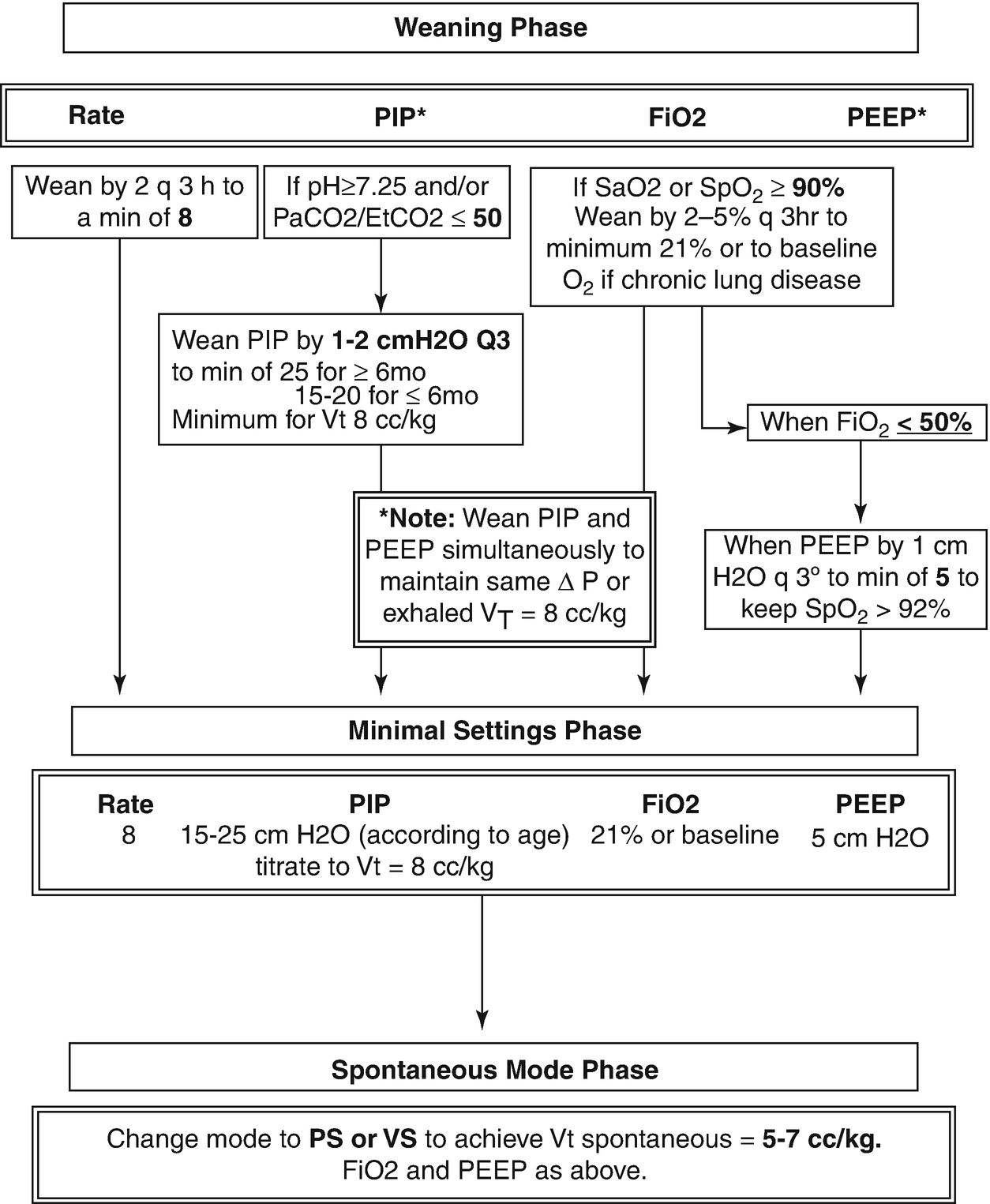
Weaning And Extubation Readiness Assessment In Pediatric Patients Springerlink
Extubation Problems And Its Management
Cuff Leak Test And Airway Obstruction In Mechanically Ventilated Icu Patients Comic A Pilot Randomised Controlled Trial Protocol Bmj Open
30 Anesthesia Key
Http Cursomiva Com Wp Content Uploads 19 03 Gu C3 Adas Francesas Intubaci C3 n Y Extubaci C3 n 19 Pdf

Pulmcrit Liberating The Patient With No Cuff Leak

Cuff Leak Test And Laryngeal Survey For Predicting Post Extubation Stridor Patel Ab Ani C Feeney C Indian J Anaesth
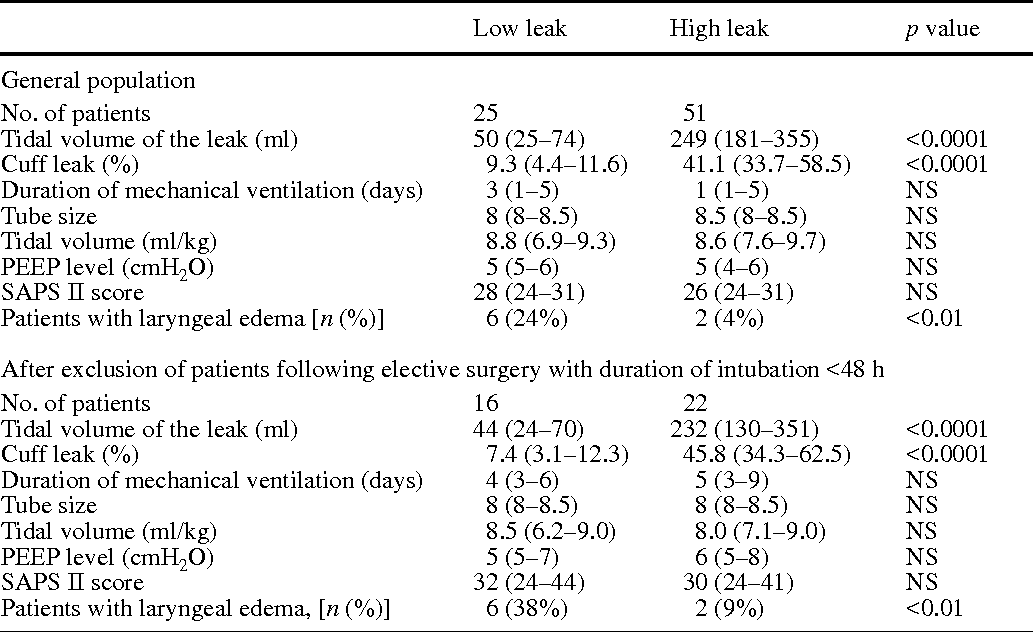
Table 2 From The Cuff Leak Test To Predict Failure Of Tracheal Extubation For Laryngeal Edema Semantic Scholar

Pdf The Role Of The Cuff Leak Test In Predicting The Effects Of Corticosteroid Treatment On Postextubation Stridor
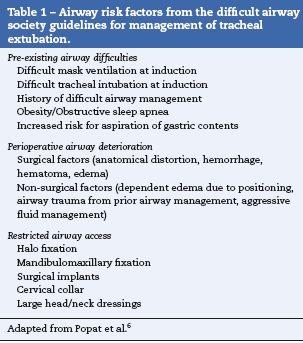
Extubacion Del Paciente Perioperatorio Con Una Via Aerea Dificil
2

Kkh Sepsis Experts Guidelines Of Intubation And Facebook

Extubation In Or Shaji Sainudeen Rashid Hospital Dubai Ppt Download

Guidelines For Weaning From Short Term Ventilation Ppt Video Online Download
Http Pedsccm Org File Cabinet Pccm Wratney Leak Test Pdf
Q Tbn And9gcqpjmfkziu5zfpzpregkhhyc8zycz7gbodin9sj2aaio6hknrox Usqp Cau


